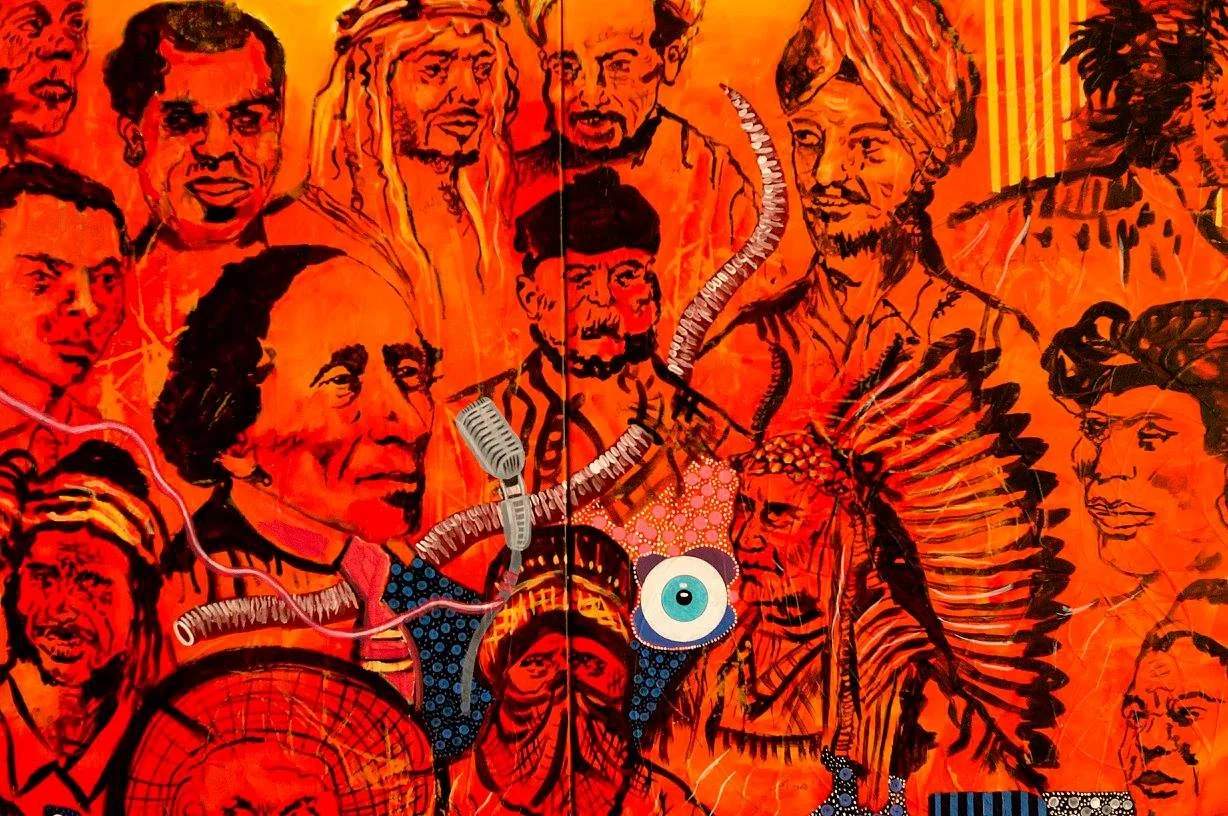
Culture Pro – Tools for Thriving in a Globalized World
In increasingly diverse workplaces and educational environments, cultural competence is no longer optional. Yet many people struggle with uncertainty, hesitation, or fear of saying the wrong thing. Culture Pro offers a clear and practical framework for navigating cultural diversity with confidence rather than confusion.
Blending insights from ancient Greek philosophy with modern anthropology, this lecture introduces what Ahmad Joumaa calls a culture mentality, a way of approaching cultural difference grounded in self-awareness, curiosity, and openness. Instead of focusing on abstract ideals, the lecture provides concrete tools for everyday interaction, collaboration, and dialogue across cultural boundaries.
The lecture moves beyond tolerance and offers a constructive approach to cultural engagement that supports cooperation, mutual understanding, and professional confidence in globalized and multicultural settings.
Key Topics
Cultural competence as a core skill in contemporary professional and educational life
Self-awareness as a practical foundation for intercultural understanding
Moving from tolerance to confident and respectful engagement
Common sources of cultural misunderstanding and how to address them
Practical strategies for meaningful cross-cultural interaction
Target Audience
Professionals and leaders, educators and educational institutions, cultural workers, students, international and cross-cultural teams, and organizations working in diverse environments.
Format
30 to 60 minute lecture with optional Q and A or workshop version.
Audience Takeaways
Participants will leave with
A clear and usable framework for understanding cultural differences
Greater confidence in cross-cultural communication and collaboration
Practical tools for building respectful and productive relationships
A constructive approach to diversity grounded in insight rather than fear
"Know Thyself” Cultivating Unity Through Self-Awareness"

Why do conversations about integration so often lead to defensiveness rather than understanding? This lecture offers a different starting point. Rooted in the classical principle know thyself, it shows how self-awareness functions as a practical foundation for cultural intelligence, empathy, and meaningful integration.
Drawing on ancient Greek philosophy alongside concrete examples from Danish and Arabic history, language, and literature, Ahmad Joumaa demonstrates how identity is shaped through cultural encounters rather than isolation. Instead of approaching integration as a problem to solve, the lecture reframes it as a shared process grounded in reflection, historical awareness, and mutual recognition.
The lecture provides audiences with clear concepts and accessible examples that make complex discussions about culture, identity, and belonging easier to navigate in educational, cultural, and professional settings.
Key Topics
Self-knowledge as a practical foundation for cultural understanding
Identity as dynamic and shaped through interaction and history
Historical and linguistic connections between Danish and Arabic culture
Language and literature as carriers of shared heritage
Cultural heritage as a constructive resource for integration
Target Audience
Educators and educational institutions, public libraries and cultural organizations, integration professionals, students, and professional audiences working in culturally diverse environments.
Format
30 to 60 minute lecture with optional Q and A or workshop format.
Audience Takeaways
Participants will leave with
A clearer understanding of how self-awareness supports empathy and dialogue
Usable historical and linguistic insights applicable in teaching and facilitation
A grounded framework for thinking about integration beyond polarization
A new way of seeing culture as connection rather than division
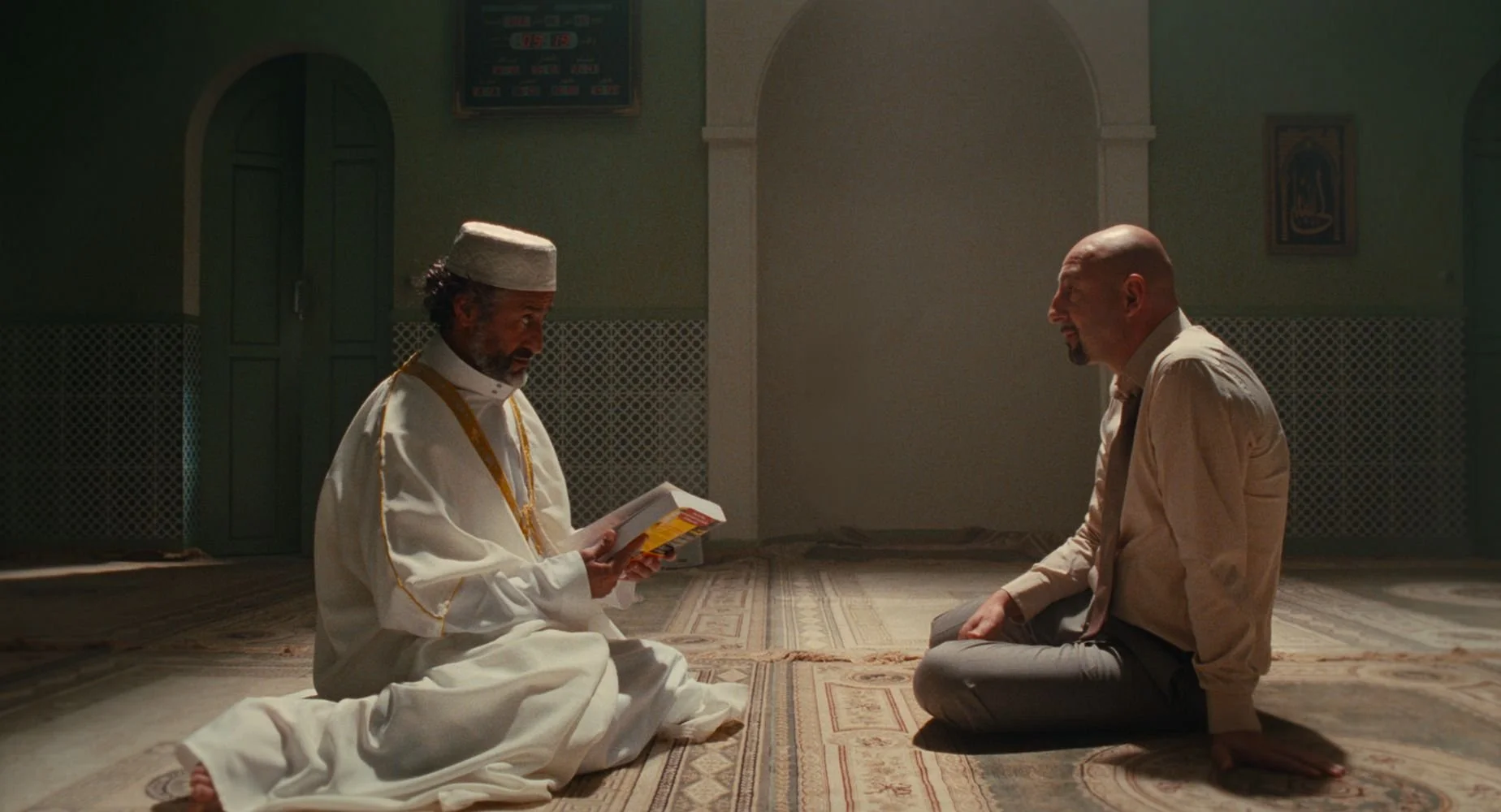
Literature without borders: The Arab - French connection
In times marked by division and cultural tension, literature offers a space for connection and shared understanding. This lecture explores the long and often overlooked literary relationship between the Arab and French worlds, showing how stories, ideas, and language have travelled across borders for centuries.
Drawing on historical encounters such as the Arab presence in Southern Europe and Napoleon’s expedition to Egypt, as well as the voices of modern Franco-Arab writers, Ahmad Joumaa presents literature as a living archive of exchange, influence, and dialogue. Rather than treating cultures as isolated traditions, the lecture demonstrates how literary interaction has shaped identity, imagination, and belonging on both sides of the Mediterranean.
Through storytelling, historical context, and reflection, the lecture shows how literature challenges fixed identities and creates bridges between cultures, offering insight that remains highly relevant in contemporary cultural and educational settings.
Key Topics
Literature as a tool for dialogue, coexistence, and mutual recognition
Arab and European cultural exchanges across history
The role of modern Franco-Arab authors in shaping cultural identity
Storytelling as a carrier of shared memory and empathy
Literature as a space where borders are questioned rather than reinforced
Target Audience
Cultural institutions and public libraries, literature festivals, educators and students, universities, and audiences interested in literature, culture, and intercultural dialogue.
Format
30 to 60 minute lecture followed by optional discussion.
Audience Takeaways
Participants will leave with
A fresh perspective on intercultural literature and shared heritage
Greater understanding of Arab and French literary connections
Insight into how literature shapes identity across cultures
Inspiration to read, teach, and engage with literature beyond national boundaries
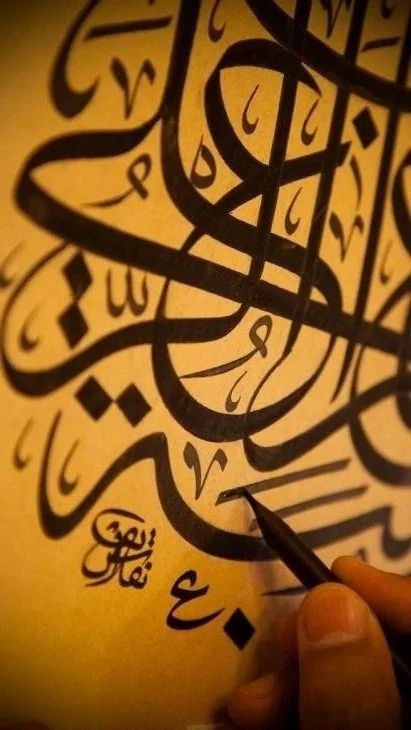
Arabic Literature and Shared Humanity, How Stories Travel Across Cultures
Arabic literature is one of the world’s oldest and richest literary traditions, yet it remains largely unfamiliar in Western cultural and educational spaces. This lecture introduces audiences to Arabic storytelling, poetry, and philosophy as a living tradition that has shaped, and continues to enrich, global literature and thought.
Drawing on examples from pre-Islamic poetry, classical works, and contemporary Arab authors, Ahmad Joumaa shows how literary exchange between the Arab world and Europe has long been part of shared intellectual history. Rather than presenting Arabic literature as something distant or exotic, the lecture frames it as a resource for cultural understanding, literary curiosity, and renewed human connection.
Through accessible analysis and storytelling, the lecture demonstrates how literature can break down cultural barriers, strengthen literary self-confidence, and create meaningful points of connection across identities and generations.
Key Topics
Historical literary exchanges between the Arab world and Europe
Arabic poetry and storytelling as foundations of identity and self-understanding
Literature as a bridge between cultures rather than a marker of difference
Arabic literature as a resource for integration and intercultural dialogue
Practical ways to introduce Arabic literature in Western educational and cultural spaces
Target Audience
Public libraries and cultural institutions, literature festivals, educators and students, integration professionals, Arab diaspora communities, and a general audience with an interest in literature, culture, and storytelling.
Format
60 minute lecture followed by facilitated discussion.
Audience Takeaways
Participants will leave with
A renewed appreciation of Arabic literature’s global and historical significance
Concrete ideas for presenting Arabic literature in Danish and Western contexts
Greater understanding of Arab identity through literary expression
Inspiration to explore new literary traditions with curiosity and openness
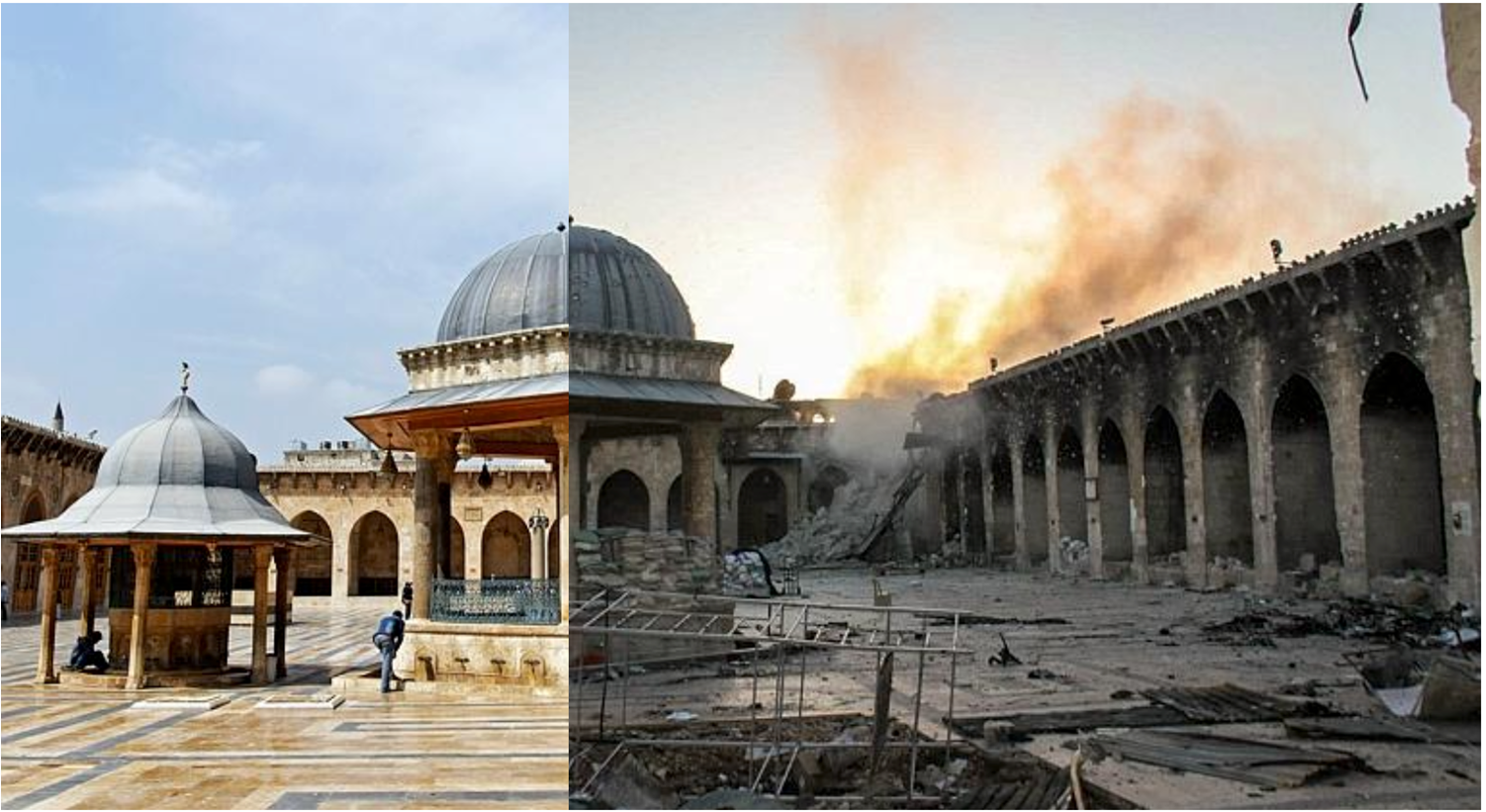
Understanding the Middle East – A Century of Change, Conflict, and Ideology
Why does the Middle East remain central to global politics, conflict, and public debate? This lecture provides a clear and accessible framework for understanding the region’s modern history and its ongoing impact on the world.
Tracing key developments over the past hundred years, from post colonial independence movements and secular nationalism to the rise of religious ideologies and contemporary crises, Ahmad Joumaa offers a structured overview that connects history, ideology, and power. By combining historical analysis with philosophical reflection, the lecture helps audiences move beyond simplified explanations and polarized narratives.
Rather than focusing on current events alone, the lecture equips participants with the background needed to interpret news, conflicts, and political developments in a broader historical and cultural context.
Key Topics
The transition from secular nationalism to religious ideologies
Major conflicts and their regional and global consequences
The roles of colonial powers, superpowers, and local actors
How history, culture, and politics shape the region
Reflections on power, identity, and conflict in modern societies
Target Audience
Students and educators, journalists and media professionals, cultural institutions and libraries, humanitarian workers, policy oriented audiences, and anyone seeking informed and nuanced understanding of the Middle East.
Format
30 to 60 minute lecture followed by optional Q and A.
Audience Takeaways
Participants will leave with
A clearer understanding of the Middle East’s modern historical development
Tools for analyzing current events in historical and ideological context
Greater insight into how power and ideas shape societies
Increased confidence in engaging with complex debates about the region
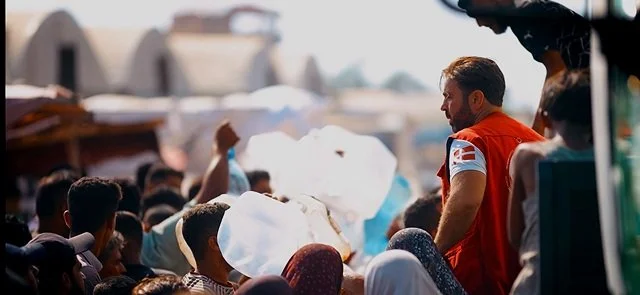
Humanitarian Frontlines, Making Ethical Decisions Under War and Crisis
How are ethical decisions made when institutions collapse and human lives are at stake? Based on first-hand humanitarian experience in Gaza during the war, as well as fieldwork in Egypt, Afghanistan, and at the Sudanese border, this lecture offers rare insight into how humanitarian action functions under extreme conditions. Ahmad Joumaa combines personal narrative with analytical reflection to explain how humanitarian access is negotiated, how trust is built under pressure, and how individuals navigate responsibility in situations where neutrality, safety, and moral clarity are constantly challenged. Rather than focusing on political positions, the lecture equips audiences with tools to understand complexity, resist oversimplification, and think clearly about action versus inaction in global crises.
Key Topics
Humanitarian work in active conflict and displacement zones
Trust-building and negotiation under extreme pressure
Ethical decision-making when institutions fail
The limits of neutrality and the role of individual agency
How humanitarian realities differ from media narratives
Target Audience
Universities and higher education programs in social sciences, journalism, politics, and humanitarian studies, NGOs and humanitarian organizations, journalists and media professionals, cultural institutions, and professional audiences seeking deeper insight into global crises.
Format
45 to 60 minute lecture followed by Q and A, with the option of extended discussion or workshop format.
Audience Takeaways
Participants will leave with
A concrete understanding of how humanitarian work operates in practice
Greater ethical clarity when analyzing war, crisis, and responsibility
A nuanced framework for interpreting conflicts beyond headlines
Insight into the human dimension of crises often reduced to statistics